Stuart Piltch: Strategic Perspectives on Healthcare, Insurance, and Community Impact
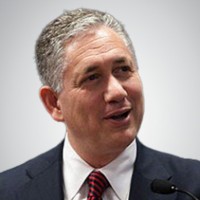
Understanding modern healthcare requires more than knowledge of medicine alone. Stuart Piltch offers perspectives shaped by extensive experience across healthcare, insurance, strategic analysis, and national security. His professional journey provides a distinctive foundation for examining complex challenges, helping students, industry professionals, policymakers, and community advocates better understand how different sectors can influence healthcare outcomes and organizational decision-making.
Connecting Healthcare and Insurance
Healthcare and insurance are closely connected, with financial structures, access, risk management, and strategic planning all influencing how services are delivered. Professionals working across these areas must consider both immediate operational priorities and long-term sustainability. Clear analysis can help organizations identify challenges, evaluate opportunities, and develop approaches that better serve patients and communities.
Stuart’s experience in the healthcare and insurance sectors includes leadership roles with established organizations as well as entrepreneurial ventures. He founded Cambridge Advisory Group and co-founded Certilytics, contributing to initiatives that apply analytical thinking and strategic planning to complex healthcare challenges. His work reflects the importance of combining industry knowledge with data-driven decision-making.
Experience Shaped by National Security
A distinctive element of Stuart’s career is his experience within the intelligence community and national security environment. His professional responsibilities included work in global conflict zones, testimony before Congressional committees, and collaboration with senior security leaders. These experiences required careful evaluation of information, risk, uncertainty, and rapidly changing circumstances.
Such skills can also be valuable within healthcare and insurance, where organizations frequently operate in environments affected by regulatory changes, financial pressures, technological developments, and shifting population needs. Strategic thinking allows decision-makers to consider multiple possibilities rather than relying on a single short-term solution.
The Role of Strategic Analytics
Stuart Piltch brings an analytical perspective to healthcare and insurance discussions, drawing on areas such as strategic analytics and game theory. These disciplines can help organizations examine relationships between different stakeholders, anticipate potential outcomes, and understand how decisions may affect broader systems.
For healthcare leaders, analytical frameworks can support questions about resource allocation, operational efficiency, risk, and organizational strategy. While data alone cannot determine the best course of action, thoughtful interpretation can provide valuable context for making informed decisions.
Supporting Education and Community Wellness
Professional achievement represents only one aspect of Stuart’s broader work. His philanthropic involvement and board positions demonstrate an interest in supporting education, wellness initiatives, and programs designed to assist groups in need. Community-focused efforts can complement institutional healthcare strategies by addressing challenges that extend beyond clinical services.
Education is particularly important because informed communities are better positioned to understand healthcare choices, insurance considerations, and available resources. Supporting educational initiatives can therefore contribute to broader awareness and encourage individuals to participate more actively in decisions affecting their well-being.
A Multifaceted Perspective for the Future
Healthcare continues to evolve through advances in technology, changing economic conditions, new approaches to analytics, and growing expectations for accessible services. Stuart Piltch provides a multifaceted perspective informed by healthcare leadership, insurance expertise, national security experience, strategic analysis, and community involvement. His career illustrates how knowledge from different professional fields can be brought together to examine complex challenges and pursue practical, informed approaches that benefit organizations and the communities they serve.